
Accredited by the National Board of Accreditation (NBA) under Tier-I
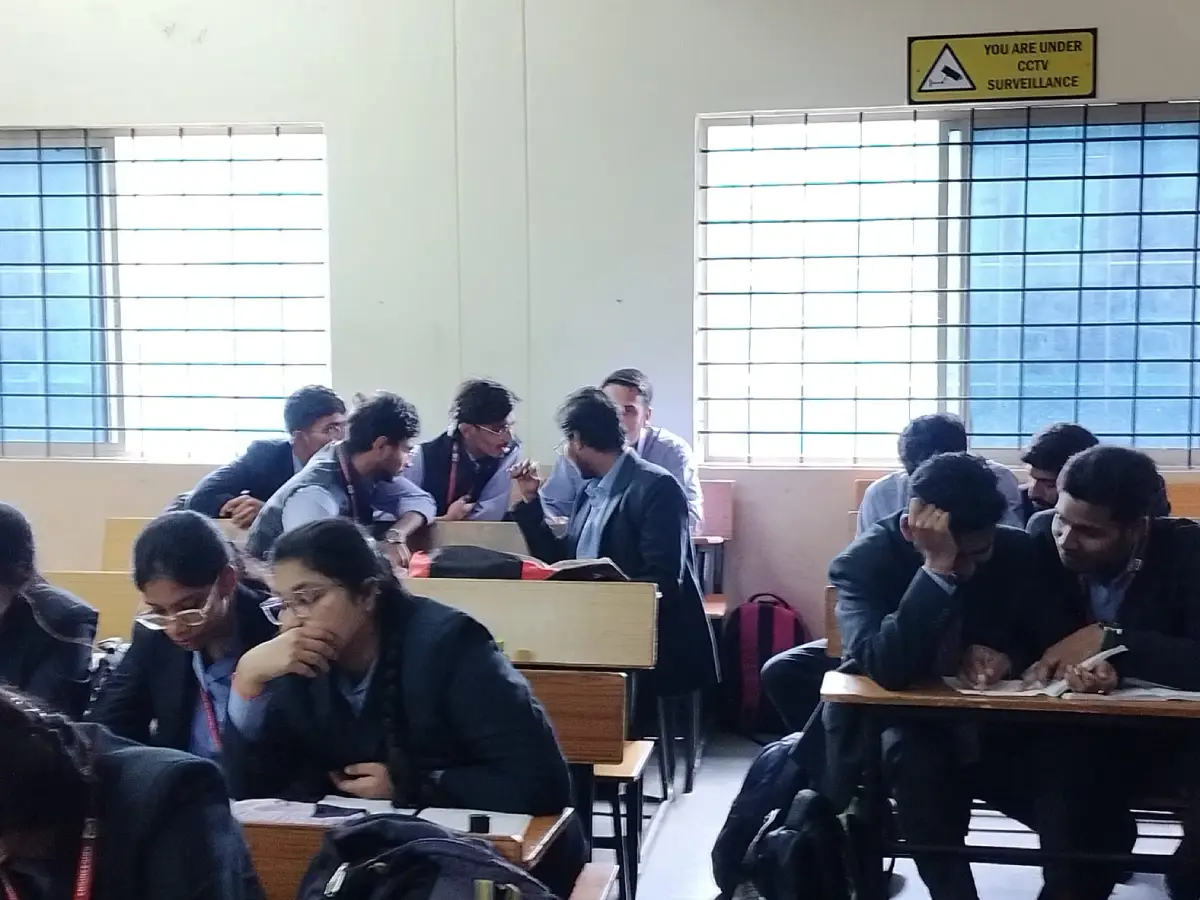
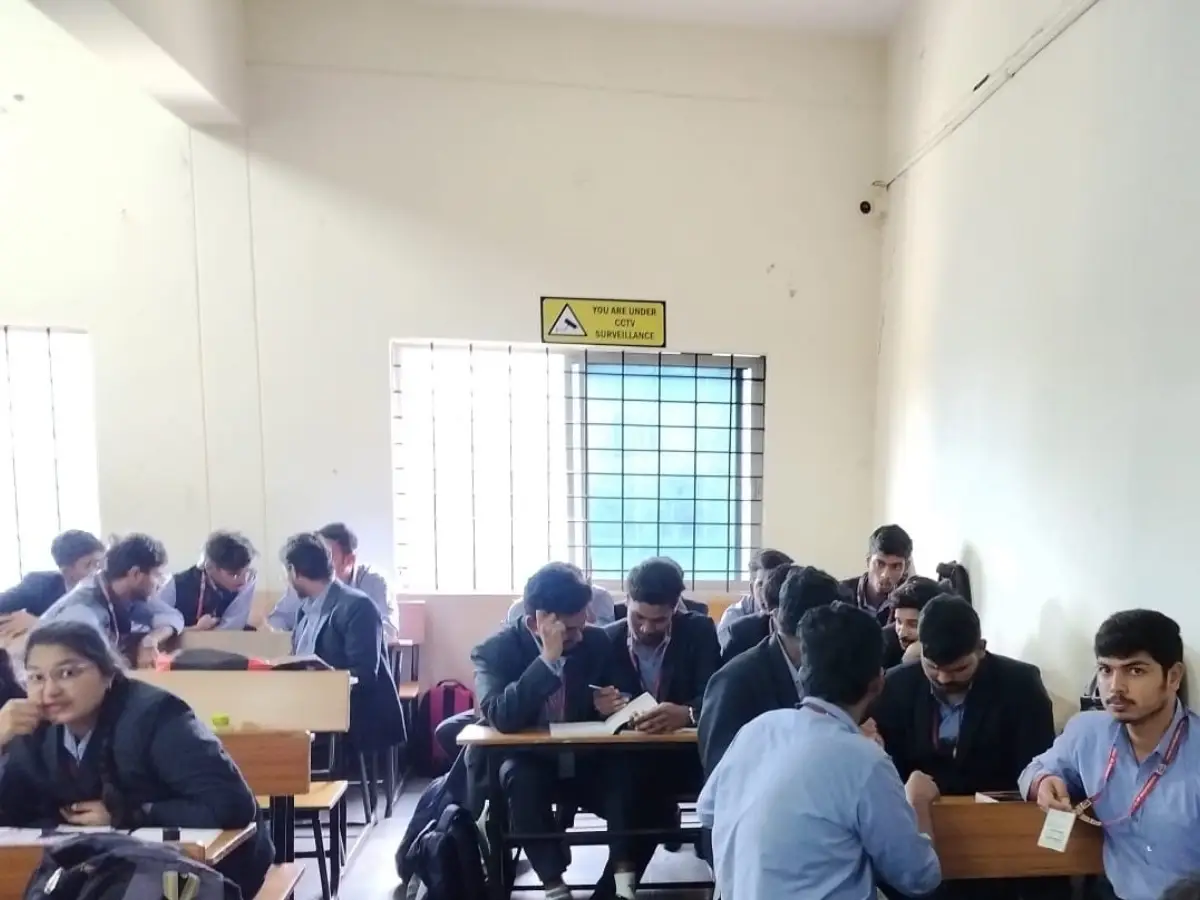
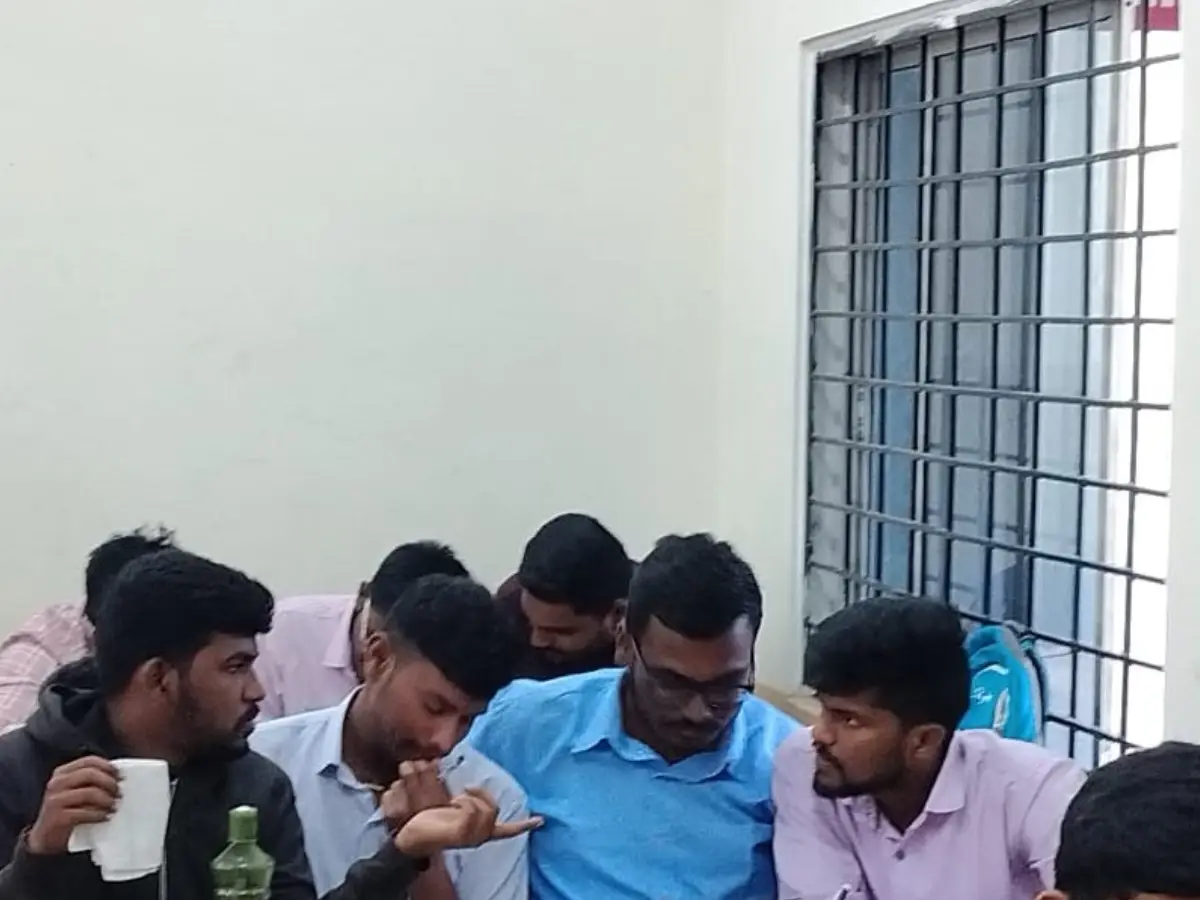
The Department of Management Studies adopts a student-centered learning approach that positions learners at the core of the teaching–learning process. The Department emphasizes active classroom participation, experiential learning, continuous mentoring, and collaborative engagement to foster deeper understanding, analytical thinking, and managerial competence. Students are encouraged to take ownership of their learning through discussions, projects, and real-time problem-solving activities while receiving consistent academic and professional guidance from faculty members. This approach enhances confidence, decision-making ability, teamwork, and leadership skills, thereby improving overall learning outcomes and preparing students to meet the dynamic demands of the corporate environment.
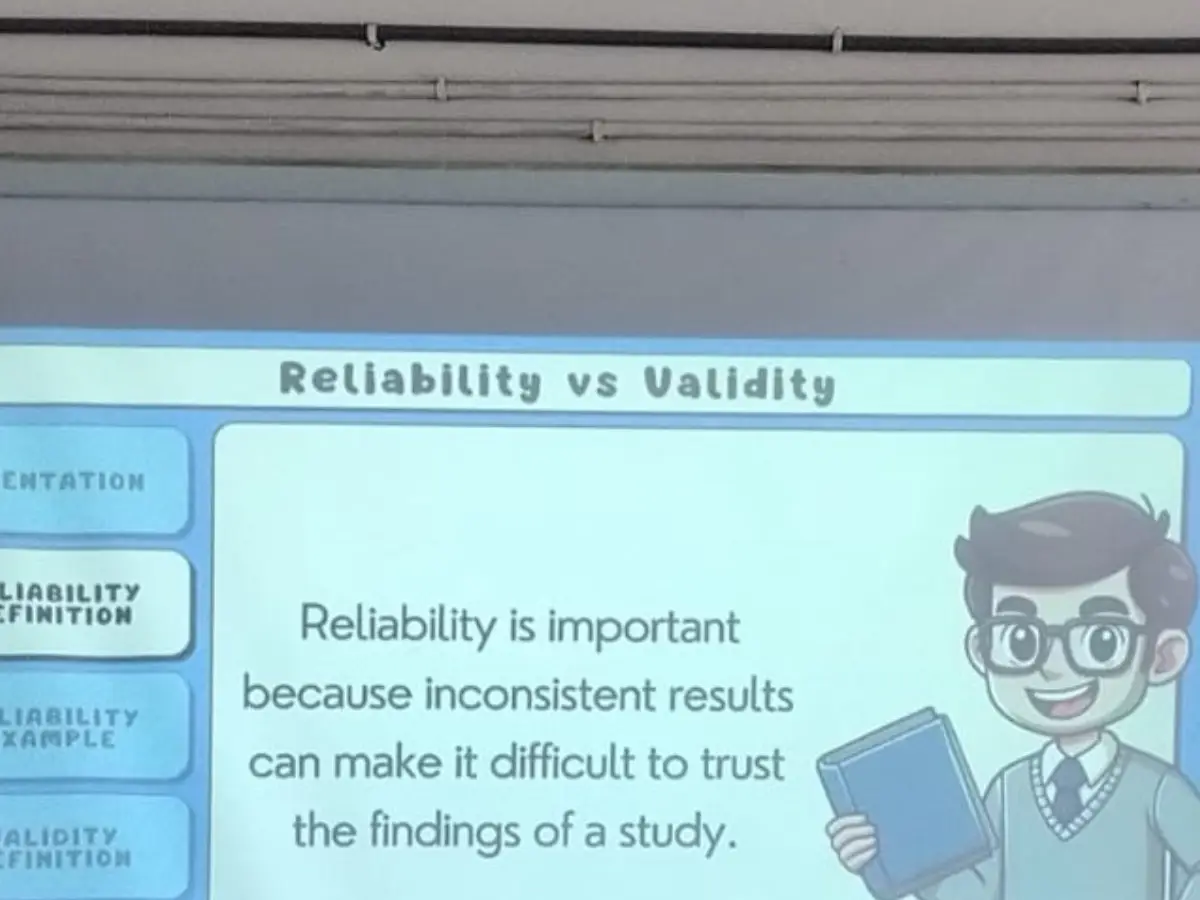
The Department of Management Studies follows a systematic and student-centric teaching–learning process that emphasizes experiential learning, outcome-oriented education, and holistic managerial development. The Department adopts contemporary pedagogical practices to ensure conceptual clarity, practical exposure, and continuous academic progression among students.
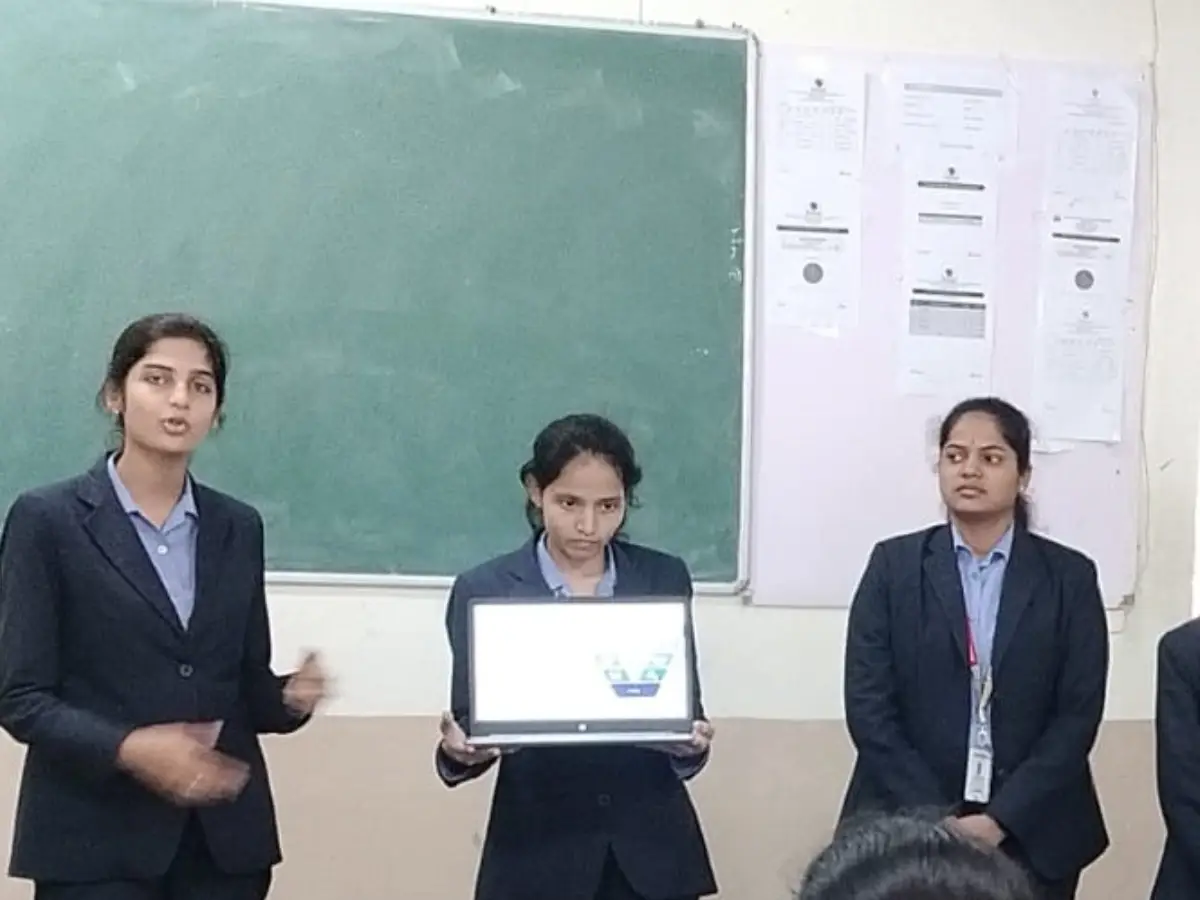
The teaching–learning framework integrates case-based instruction, interactive classroom discussions, simulations, industry-oriented projects, internships, seminars, and management workshops to bridge the gap between theory and practice. Emphasis is placed on Outcome-Based Education (OBE), value-added courses, research-driven learning, and the effective use of digital tools and online learning platforms to enhance analytical thinking, problem-solving, and decision-making abilities. Through continuous assessment, mentoring, industry interaction, and collaborative learning approaches, the Department strives to develop competent, ethical, and socially responsible management professionals equipped with leadership qualities, lifelong learning skills, and readiness to meet evolving organizational and societal challenges.
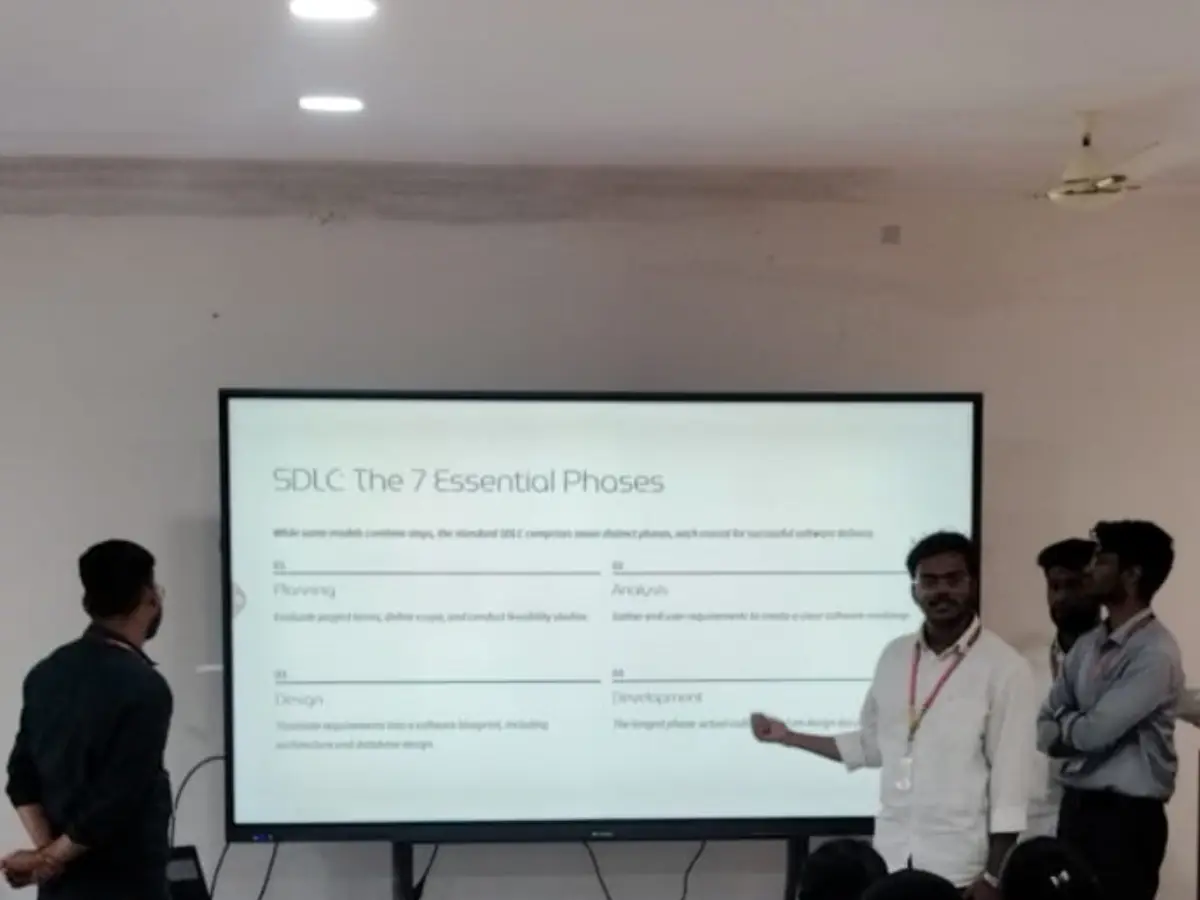
The Department of Management Studies adopts innovative teaching–learning methodologies to enhance managerial competencies and improve learning outcomes. A blend of contemporary pedagogical practices, interactive instructional strategies, and technology-enabled tools is seamlessly integrated into the academic process. These approaches promote active participation, strengthen conceptual understanding, and effectively bridge the gap between theoretical knowledge and real-world business applications. The Department emphasizes experiential, collaborative, and practice-oriented learning to develop analytical thinking, strategic decision-making, leadership abilities, and professional readiness among students.
To complement the academic curriculum and enhance students’ practical competencies, the Department of Management Studies offers a series of value-added courses every academic year aimed at strengthening research capability, analytical proficiency, and professional communication skills. These courses are designed to bridge the gap between classroom learning and industry expectations by providing hands-on training, real-time applications, and skill-oriented learning experiences. The initiatives enable students to develop domain expertise, improve employability, and gain a competitive advantage in academic, research, and corporate environments.
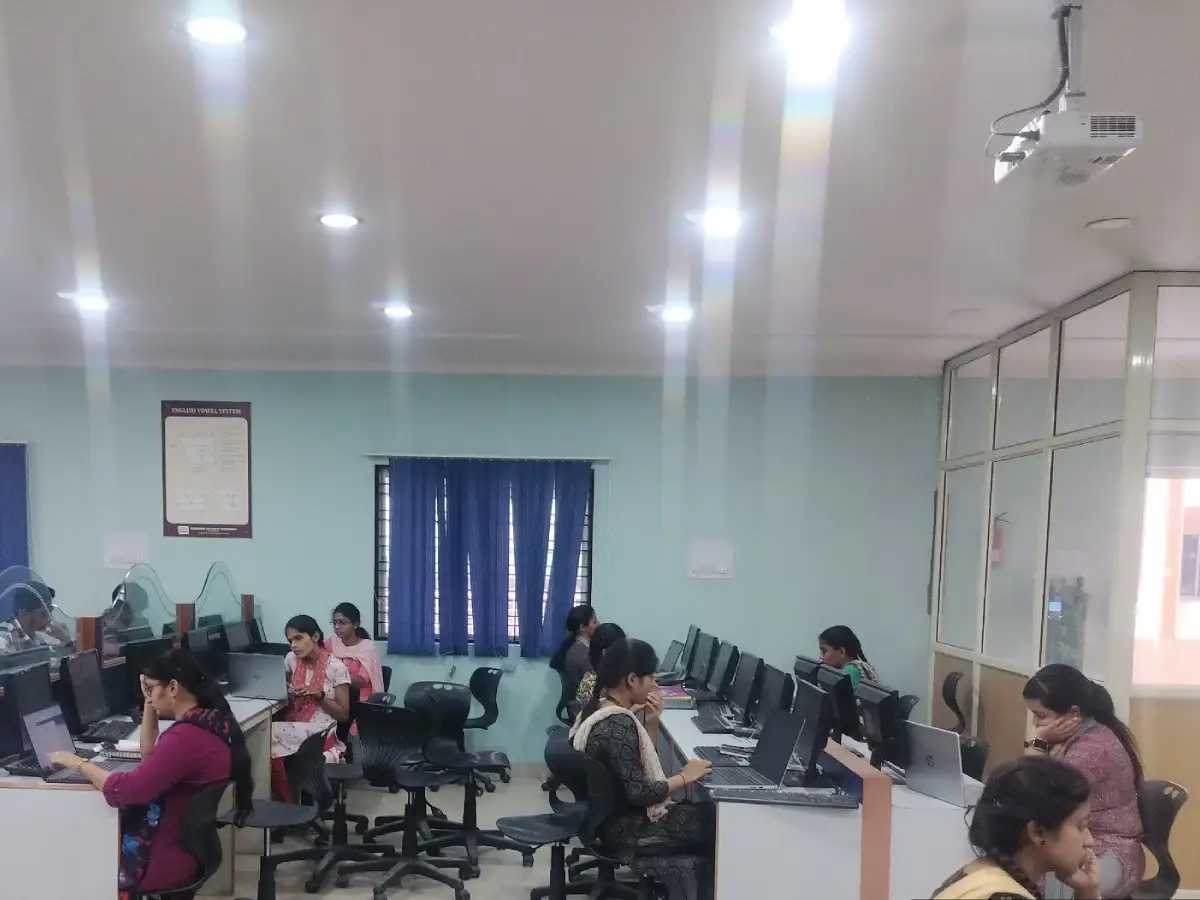
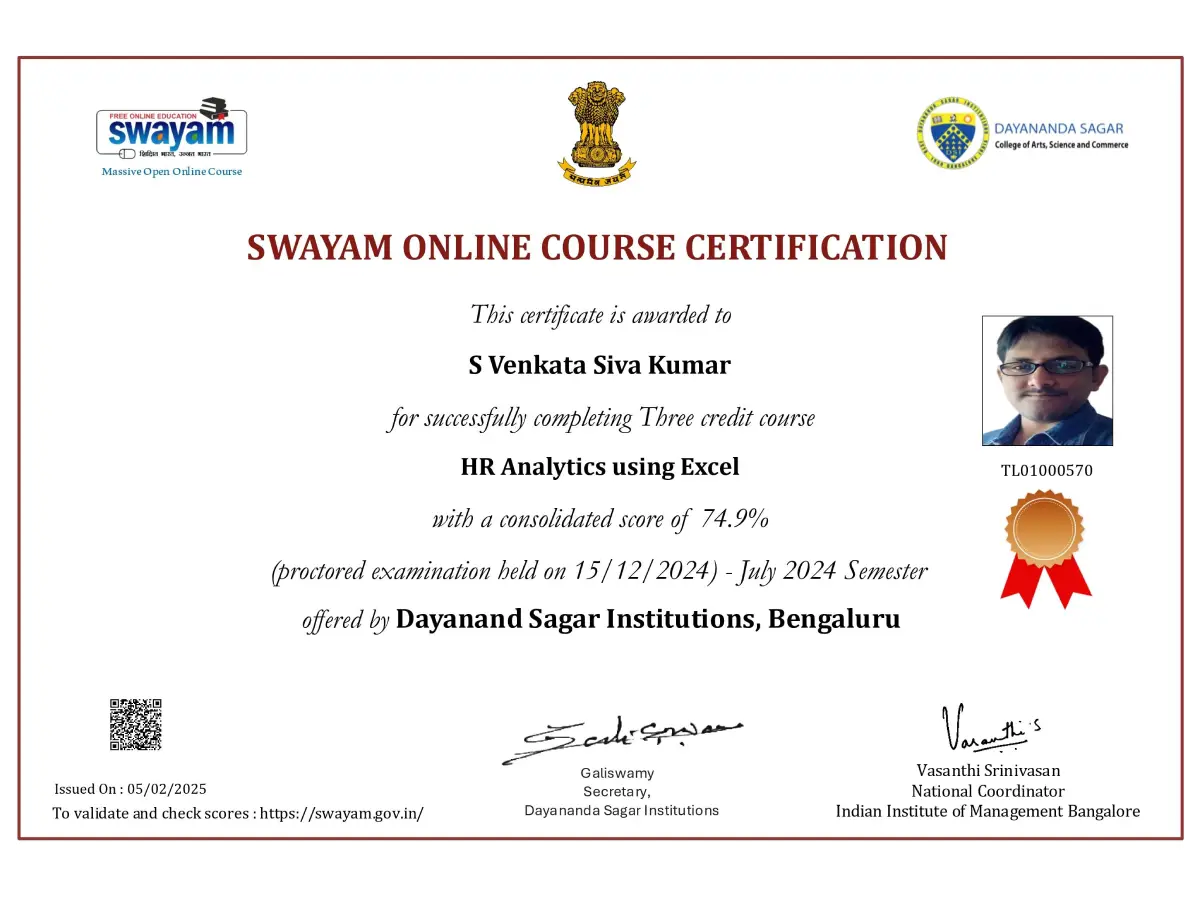
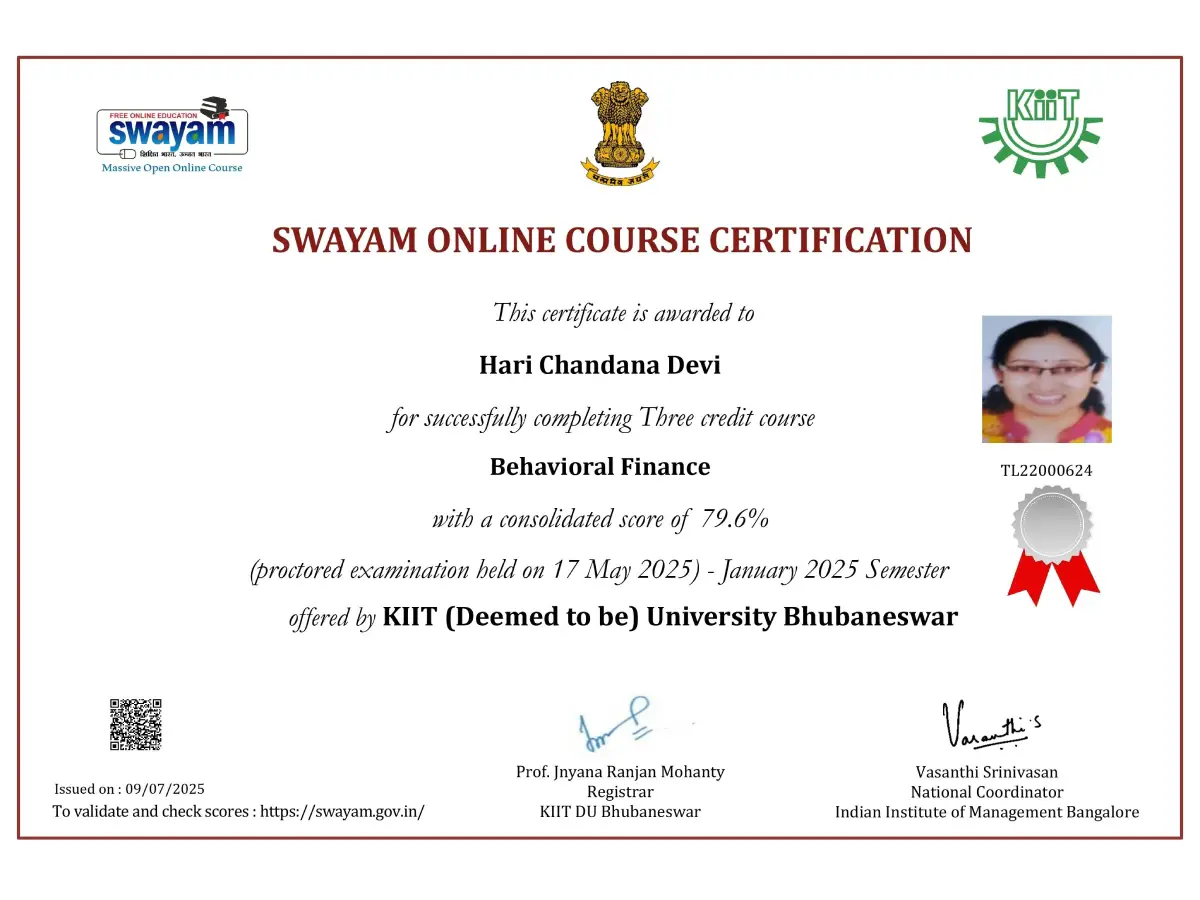
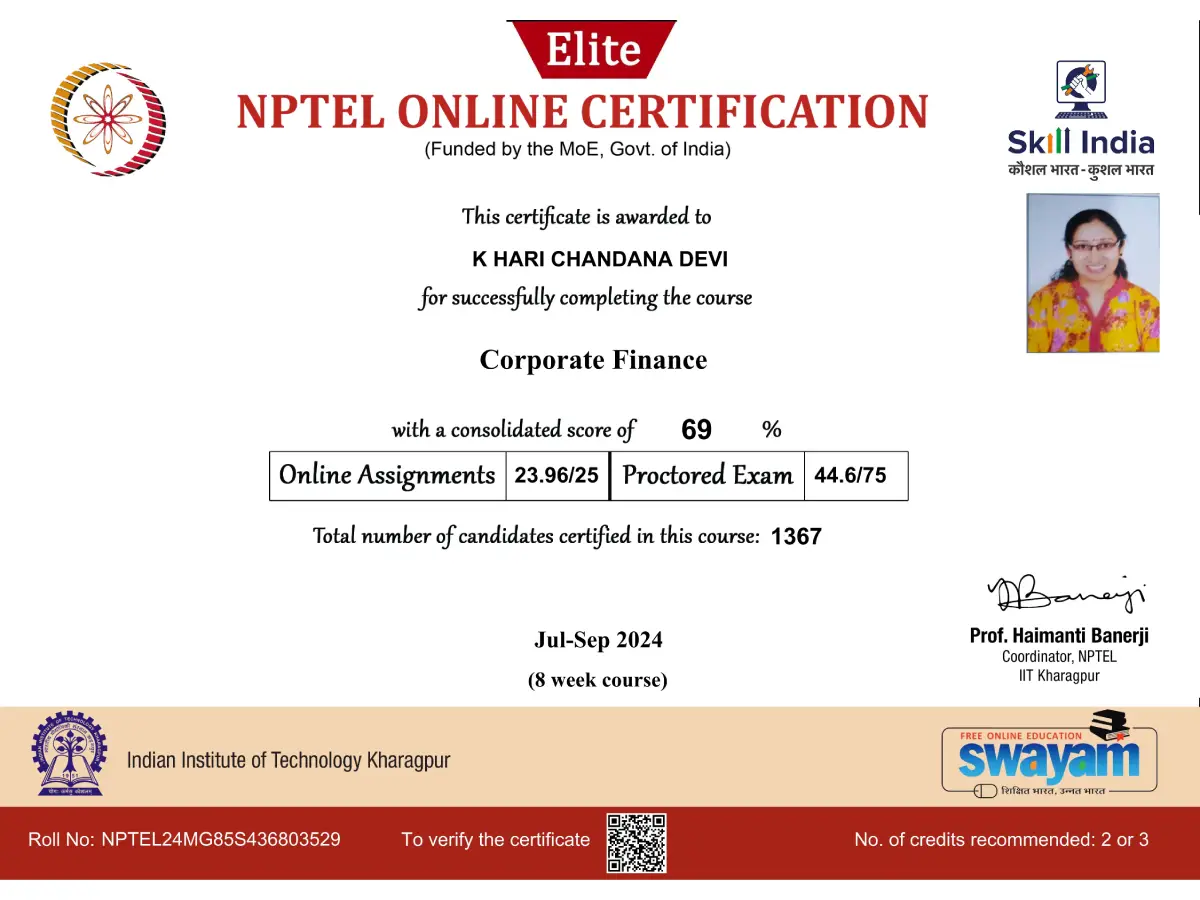
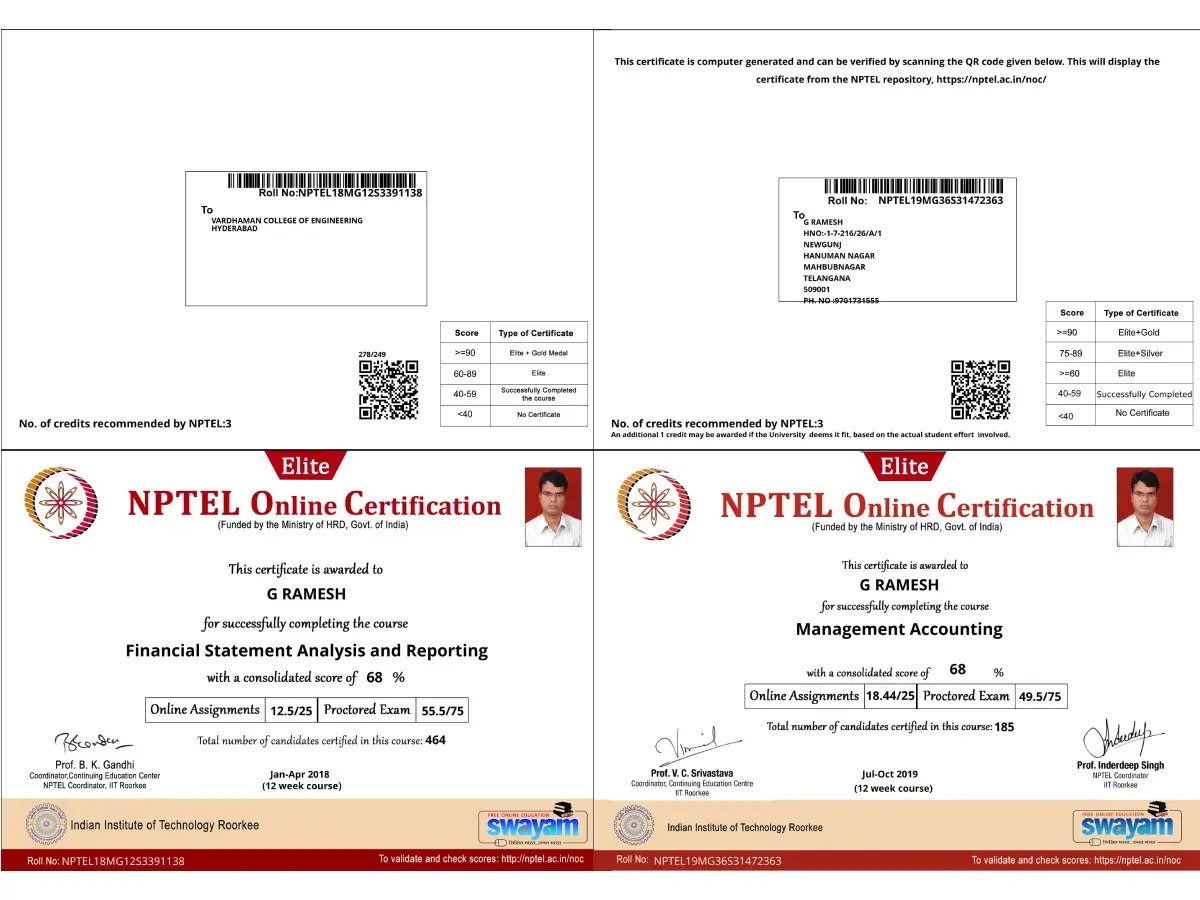
Participation in SWAYAM and other Massive Open Online Courses (MOOCs) is actively encouraged by the Department of Management Studies to complement classroom instruction and promote self-paced, flexible, and lifelong learning. These online learning platforms enable students and faculty to access high-quality academic content offered by reputed institutions, industry experts, and leading universities, thereby broadening their knowledge beyond the prescribed curriculum. Such initiatives facilitate interdisciplinary exposure, strengthen domain expertise, and enhance professional competencies in emerging areas of management and business. The integration of MOOCs supports independent learning, continuous skill upgradation, and career readiness, empowering learners to stay aligned with evolving industry trends and global best practices.
Academic projects form an integral component of the teaching–learning process in the Department of Management Studies. The MBA programme emphasizes experiential and research-oriented learning by enabling students to apply theoretical knowledge to real-time business situations through structured industry exposure, guided project work, and scholarly research activities. These initiatives strengthen analytical ability, problem-solving skills, research competence, and professional readiness, while fostering evidence-based managerial decision-making and academic excellence.
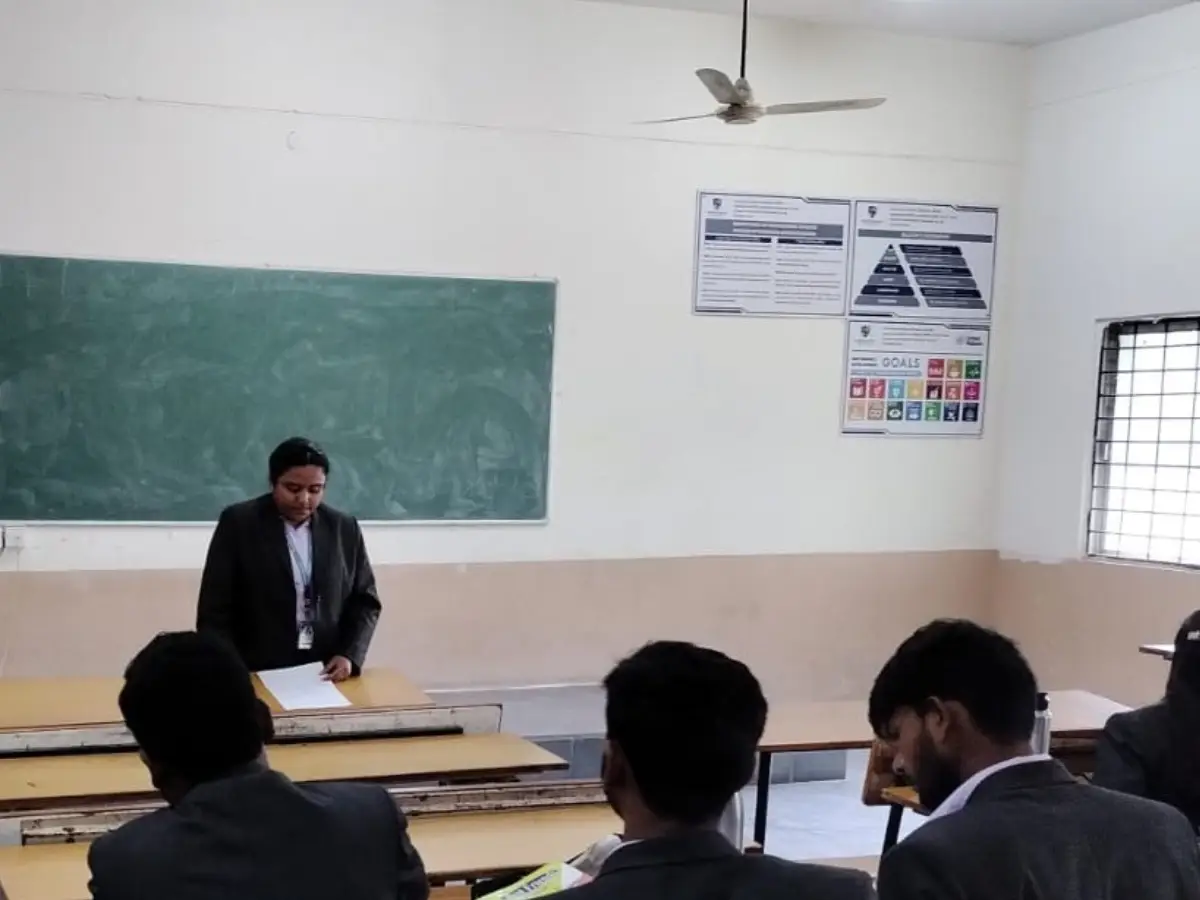
Outcome Based Education (OBE) is implemented to align the teaching–learning process with clearly defined academic and professional outcomes. It emphasizes what students are expected to know, understand, and be able to perform upon completion of the program, focusing on competency development and application of knowledge.
Programme Educational Objectives (PEOs), Programme Outcomes (POs), and Course Outcomes (COs) are systematically defined to guide curriculum planning, delivery, and assessment. Teaching strategies and evaluation methods are aligned with these outcomes, and attainment levels are periodically reviewed to support continuous improvement. The implementation of OBE is supported through structured OBE manual and documented processes.
Management Graduates will be able to :
The OBE Manual documents the policies, procedures, and methodologies adopted by the department for implementation of Outcome Based Education.